Jumat, 26 November 2021

TERENCE CONRAN PETITS ESPACES livre pdf

PETITS ESPACES

Livres,TERENCE CONRAN


PETITS ESPACES

PETITS ESPACES Télécharger Gratuitement le Livre en Format PDF [Télécharger] PETITS ESPACES Format PDF [Télécharger] le Livre PETITS ESPACES en Format PDF [Télécharger] PETITS ESPACES Format PDF

Broché : 223 pages pages
Auteur : TERENCE CONRAN
Collection : Livres
ISBN-10 : 2700017277
Format : Relié
Moyenne des commentaires client : 4.8 étoiles sur 5 1 commentaires client
Nom de fichier : petits-espaces.pdf
La taille du fichier : 20.14 MB

Avant de faire appel à un entrepreneur, à un architecte ou à un décorateur, lisez ce livre ; vous serez ainsi en mesure d'amorcer un dialogue constructif sur les améliorations à apporter à votre intérieur. Et vous découvrirez peut-être que vous en savez plus que votre interlocuteur !
Télécharger livre PETITS ESPACES de TERENCE CONRAN [PDF] – télécharger ebook
Télécharger livre PETITS ESPACES de TERENCE CONRAN [EPUB] – télécharger ebook

Vous trouverez ci-dessous les commentaires du lecteur après avoir lu PETITS ESPACES. Vous pouvez considérer pour votre référence.

Livre très pratique lorsque l'on pense que l'étroitesse de notre logement nous empêchera de trouver une solution pour le rendre pratique, confortable et beau un jour.Plein de photos, souvent de détails, plusieurs exemples d'habitats exploités au mieux, ce livre n'est néanmoins pas un manuel de bricolage, et si les raisons des choix sont expliqués dans le détail, on n'y trouve pas le mode d'emploi pour concevoir les aménagements présentés.Le travail de T. Conran est judicieux, esthétique et source d'inspiration pour le propriétaire désespéré ou tout simplement pragmatique. Ouvrage très appréciable.

Karuho Shiina Sawako, tome 20 fiche de lecture

Sawako, tome 20

Livres,Karuho Shiina


Sawako, tome 20

Sawako, tome 20 Télécharger PDF e EPUB - EpuBook Gratuit Pour Lire Sawako, tome 20 Ebook En Ligne Sawako, tome 20 Télécharger Gratuitement le Livre en Format PDF [Télécharger] Sawako, tome 20 en Format PDF

Broché : 176 pages pages
Auteur : Karuho Shiina
Collection : Livres
ISBN-10 : 2505061041
Format : Broché
Date de Publication : 2014-12-05
Le Titre Du Livre : Sawako, tome 20
Moyenne des commentaires client : 4.8 étoiles sur 5 2 commentaires client
Nom de fichier : sawako-tome-20.pdf
La taille du fichier : 22.09 MB

Après la dispute entre Kazehaya et son père par rapport à son avenir, Sawako et lui se rapprochent peu à peu. De plus, la Saint Valentin arrive à grand pas et nos héros oublient les problèmes sur leur avenir pour se pencher sur leurs problèmes de coeur...
Télécharger livre Sawako, tome 20 de Karuho Shiina [PDF] – télécharger ebook
Télécharger livre Sawako, tome 20 de Karuho Shiina [EPUB] – télécharger ebook

Vous trouverez ci-dessous quelques critiques les plus utiles sur Sawako, tome 20. Vous pouvez considérer cela avant de décider d'acheter / lire ce livre.

J'ai beaucoup aimé le tom sur tous les personnage et aussi j'ai hâte de lire la suite et je conseille à tous

Kamis, 25 November 2021

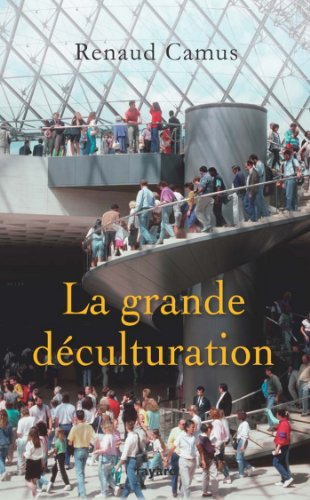
La Grande Déculturation (Documents) Renaud Camus texte complet

La Grande Déculturation (Documents)

Livres, Renaud Camus


La Grande Déculturation (Documents) Renaud Camus texte complet - Cherchez-vous des La Grande Déculturation (Documents). Savez-vous, ce livre est écrit par Renaud Camus. Le livre a pages 151. La Grande Déculturation (Documents) est publié par Fayard. Le livre est sorti sur 2008-05-07. Vous pouvez lire le La Grande Déculturation (Documents) en ligne avec des étapes faciles. Mais si vous voulez le sauvegarder sur votre ordinateur, vous pouvez télécharger maintenant La Grande Déculturation (Documents).. Si vous avez décidé de trouver ou lire ce livre, ci-dessous sont des informations sur le détail de La Grande Déculturation (Documents) pour votre référence.

Livres Couvertures de La Grande Déculturation (Documents)

de Renaud Camus

4.7 étoiles sur 5 (708 Commentaires client)

Nom de fichier : la-grande-déculturation-documents.pdf

La taille du fichier : 26.07 MB

Amis du Désastre et Niveau-montistes sont formels : la culture s'est répandue dans toutes les couches de la population. Ce livre soutient le contraire.

Si la culture s'est répandue, selon lui, c'est comme le lait de perette : plus la culture est diffusée, moins il y en a pour chacun et moins elle a de consistance. Lorsque les trois-quarts d'une génération accèdent au baccalauréat, le niveau de connaissance et de maturité qu'implique ce diplôme est à peu près celui qu'atteignaient au même âge les trois-quarts d'une autre génération, quand personne ne songeait à nommer cela baccalauréat, à peine certificat d'études. L'université fait le travail des lycées, les lycées celui des écoles primaires, les classes maternelles celui que les parents ne font pas, ayant eux-même été élevés par l'école de masse, qui a formé la plupart des nouveaux enseignants. Arte, France Culture ou France Musique se consacrent aux tâches jadis dévolues aux chaînes généralistes, celles-ci imitent les postes et stations de divertissement. Tout a baissé d'un cran. c'est la grande déculturation. Et si les journaux n'ont plus de lecteurs, c'est en grande partie parce leur public potentiel ne sait plus lire, même des phrases de plus en plus simples et de plus en plus fautives, avec de moins en moins de mots.

Le paradoxe est que l'objectif quantitatif, qui est au coeur de l'ambition démocratique en sa transposition culturelle, fait partout le lit de l'argent, par le biais de la publicité, des taux d'audience et des lois du marché. c'est ainsi que le Louvre devient une marque, etc.

Amis du Désastre et Niveau-montistes sont formels : la culture s'est répandue dans toutes les couches de la population. Ce livre soutient le contraire.

Si la culture s'est répandue, selon lui, c'est comme le lait de perette : plus la culture est diffusée, moins il y en a pour chacun et moins elle a de consistance. Lorsque les trois-quarts d'une génération accèdent au baccalauréat, le niveau de connaissance et de maturité qu'implique ce diplôme est à peu près celui qu'atteignaient au même âge les trois-quarts d'une autre génération, quand personne ne songeait à nommer cela baccalauréat, à peine certificat d'études. L'université fait le travail des lycées, les lycées celui des écoles primaires, les classes maternelles celui que les parents ne font pas, ayant eux-même été élevés par l'école de masse, qui a formé la plupart des nouveaux enseignants. Arte, France Culture ou France Musique se consacrent aux tâches jadis dévolues aux chaînes généralistes, celles-ci imitent les postes et stations de divertissement. Tout a baissé d'un cran. c'est la grande déculturation. Et si les journaux n'ont plus de lecteurs, c'est en grande partie parce leur public potentiel ne sait plus lire, même des phrases de plus en plus simples et de plus en plus fautives, avec de moins en moins de mots.

Le paradoxe est que l'objectif quantitatif, qui est au coeur de l'ambition démocratique en sa transposition culturelle, fait partout le lit de l'argent, par le biais de la publicité, des taux d'audience et des lois du marché. c'est ainsi que le Louvre devient une marque, etc.

Rang parmi les ventes Amazon: #107548 dans eBooksPublié le: 2008-05-07Sorti le: 2008-05-07Format: Ebook KindlePrésentation de l'éditeur Amis du Désastre et Niveau-montistes sont formels : la culture s'est répandue dans toutes les couches de la population. Ce livre soutient le contraire. Si la culture s'est répandue, selon lui, c'est comme le lait de perette : plus la culture est diffusée, moins il y en a pour chacun et moins elle a de consistance. Lorsque les trois-quarts d'une génération accèdent au baccalauréat, le niveau de connaissance et de maturité qu'implique ce diplôme est à peu près celui qu'atteignaient au même âge les trois-quarts d'une autre génération, quand personne ne songeait à nommer cela baccalauréat, à peine certificat d'études. L'université fait le travail des lycées, les lycées celui des écoles primaires, les classes maternelles celui que les parents ne font pas, ayant eux-même été élevés par l'école de masse, qui a formé la plupart des nouveaux enseignants. Arte, France Culture ou France Musique se consacrent aux tâches jadis dévolues aux chaînes généralistes, celles-ci imitent les postes et stations de divertissement. Tout a baissé d'un cran. c'est la grande déculturation. Et si les journaux n'ont plus de lecteurs, c'est en grande partie parce leur public potentiel ne sait plus lire, même des phrases de plus en plus simples et de plus en plus fautives, avec de moins en moins de mots. Le paradoxe est que l'objectif quantitatif, qui est au coeur de l'ambition démocratique en sa transposition culturelle, fait partout le lit de l'argent, par le biais de la publicité, des taux d'audience et des lois du marché. c'est ainsi que le Louvre devient une marque, etc.Présentation de l'éditeur Amis du Désastre et Niveau-montistes sont formels : la culture s'est répandue dans toutes les couches de la population. Ce livre soutient le contraire. Si la culture s'est répandue, selon lui, c'est comme le lait de perette : plus la culture est diffusée, moins il y en a pour chacun et moins elle a de consistance. Lorsque les trois-quarts d'une génération accèdent au baccalauréat, le niveau de connaissance et de maturité qu'implique ce diplôme est à peu près celui qu'atteignaient au même âge les trois-quarts d'une autre génération, quand personne ne songeait à nommer cela baccalauréat, à peine certificat d'études. L'université fait le travail des lycées, les lycées celui des écoles primaires, les classes maternelles celui que les parents ne font pas, ayant eux-même été élevés par l'école de masse, qui a formé la plupart des nouveaux enseignants. Arte, France Culture ou France Musique se consacrent aux tâches jadis dévolues aux chaînes généralistes, celles-ci imitent les postes et stations de divertissement. Tout a baissé d'un cran. c'est la grande déculturation. Et si les journaux n'ont plus de lecteurs, c'est en grande partie parce leur public potentiel ne sait plus lire, même des phrases de plus en plus simples et de plus en plus fautives, avec de moins en moins de mots. Le paradoxe est que l'objectif quantitatif, qui est au coeur de l'ambition démocratique en sa transposition culturelle, fait partout le lit de l'argent, par le biais de la publicité, des taux d'audience et des lois du marché. c'est ainsi que le Louvre devient une marque, etc.Vous trouverez ci-dessous quelques critiques les plus utiles sur La Grande Déculturation (Documents). Vous pouvez considérer cela avant de décider d'acheter / lire ce livre.

2 internautes sur 2 ont trouvé ce commentaire utile.D'un style classique et sublime, Camus fait l'oraison funèbre de la culture - et donne envie de la ressusciter. Brillant.Par Un amateur éclectiqueQue Renaud Camus soit devenu pestiféré médiatique et éditorial n’empêche en rien la pertinence de sa pensée ; il doit certainement exister des citations très fines pour attester le fait qu’être minoritaire ne signifie pas avoir tort, mais je n’ai pas besoin de citations de ce type pour étayer cette évidence. Dans le présent essai, la pensée de Camus s’oriente vers un sujet grave : la déculturation, l’éloignement progressif mais rapide de notre société de l’idée même de culture, sa perte plus sensible chaque jour. La raison de cette déculturation est, selon Camus toujours, d’une limpidité quasi éblouissante : l’égalitarisme prôné un peu partout en Occident depuis que nous vivons en « hyperdémocratie », concept que l’auteur définit de la sorte : « la transposition du système démocratique du champ politique à divers autres champs où selon moi il n’a que faire (voire à tous les champs) », plus précisément « la mise en œuvre de l’égalité dans les domaines où elle n’a que faire », en particulier la culture.Ici, levée de boucliers : comment ose-t-il toucher au sacro-saint dogme de l’égalité ? Nous sommes tous égaux devant la culture ! Euh, oui, et non, surtout non… D’une part, Camus démontre que la culture est elle-même affaire de « hiérarchie » (ouh ! le vilain mot…) et tout ne se vaut pas. Et que si l’on fait en sorte que toutes choses se valent culturellement, ce ne peut être que par un nivellement, et de ce nivellement découle une disneylandisation : pour rendre attrayant un parc, un château, ajustons-leur « un parc à thème, un centre d’attractions, inspirés sans le dire des divers Disneylands et parcs Astérix mais parés néanmoins, pour faire bonne figure et désarmer les grincheux organiques, de plus fortes prétentions didactiques et “artistiques” ».D’autre part, non, nous ne sommes pas égaux devant la culture : certains naissent dans des milieux favorisés, non pas d’un strict point de vue financier (Camus montre qu’existe une nouvelle espèce : « le diplômé sans culture, l’instruit sans éducation, le bourgeois sans bourgeoisie, le “cadre”, le “bac + 5” (ou + 8, ou + 12) »), et peuvent mieux appréhender la culture, voire tout simplement accepter les efforts nécessaires à se cultiver, et s’y livrer, avec ce résultat terrible pour l’égalitarisme ambiant : « Se cultiver, c’est se rendre inégal à soi-même. » C’est aussi se rendre inégal aux autres, et que ce soit au nom de l’antiracisme (c’est la thèse de Camus) ou au nom de la création du citoyen-consommateur néo-libéral nécessairement déraciné (c’est plutôt ma thèse, qui englobe celle de Camus), cette idée même est intolérable. D’où viendrait cette inégalité aux autres ? Et pourquoi sa crainte impliquerait-elle l’éradication culturelle ? Réponse de Camus :« S’il était avéré qu’hérédité et culture fussent étroitement liées, on préférerait encore sacrifier la culture, par horreur de l’hérédité, antidémocratique par excellence dès lors qu’elle revêt la forme d’un privilège. Or c’est à peu près ce qui est arrivé, car le lien est bel et bien attesté, comme en atteste à l’envi tout le vocabulaire métaphorique gravitant autour du mot culture : héritage, patrimoine, transmission, etc. La culture est la culture des morts, des parents, des grands-parents, des aïeux, des ancêtres, du peuple, de la nation ; et, même, de cela qu’on ne peut même plus nommer, d’autant qu’il est convenu qu’elle n’existe pas, la race. Celle-là, il est significatif qu’elle soit interdite de séjour. Mais à travers elle, entraîné dans sa chute et dans sa proscription, c’est tout ce qui relève de la lignée, de l’héritage, du patrimoine, qui est visé ; et la culture, par voie de conséquence, qui est atteinte. »On peut ne pas être d’accord avec les prémisses camusiennes relatives à la race au sens noble du terme ; mais avant de l’invectiver, le mieux est de quand même lire ce bref essai au style magnifique (Camus est, avec Millet – tiens, un autre pestiféré, y aurait-il un lien causal ?... – l’un des derniers stylistes de la littérature française), le méditer, lever les yeux en cours de lecture pour constater de visu ce qu’affirme Camus, au risque de se laisser convaincre et de regarder d’un autre œil les appels à des politiques « culturelles » ambitieuses, et désolé pour la longueur de cette citation :« Il y a quelque chose de pathétique dans ces résolutions affichées par les divers pouvoirs, au moment de crises sociales plus violentes que les précédentes, ou plus visibles que la crise générale permanente, d’injecter encore plus d’argent dans un système déjà ruineux qui, en doublerait-on ou triplerait-on le coût, ne donnerait pas de meilleurs résultats puisque son échec est rigoureusement programmé par ses prémices, par l’absence de sélection, par le défaut d’autorité, par l’aberration des programmes, par le manque de conviction et par la médiocre qualité moyenne du corps enseignant prolétarisé, lui-même ayant été, en grande majorité désormais, formé par le système déjà en crise et en décadence depuis le temps qu’elles durent et dont il a retenu, mais pas beaucoup davantage, les grandes leçons, à savoir : hyperdémocratie militante, horreur des formes, des distances et de la médiation, soi-mêmisme enflammé, bien observable en la parole autant et plus qu’en la vêture, et bien sûr antiracisme dogmatique, tel qu’il est moins une morale qu’un corpus idéologique de préceptes et un grand principe d’aveuglement volontaire. Il en va là exactement comme pour les fameuses et successives “grandes politiques de la ville” : plus d’argent n’élèvera pas mieux quand aucun des principes d’une éducation véritable n’a plus cours, et plus d’argent ne réduira pas la violence ni ne rendra la banlieue plus amène quand il n’existe aucun pacte social ou national entre les populations, aucun contrat d’in-nocence, aucune similitude et sans doute aucune compatibilité entre les différentes manières d’habiter et de gérer les appartements, les immeubles et les quartiers, aucune volonté véritable et probablement aucune possibilité de “vivre ensemble”, pour parler comme on parle. »Une seule solution pour éviter « la décivilisation en cours », semble-t-il : retrouver le sens de la culture, c’est-à-dire ce qui « est à l’accomplissement de soi, tel que le concevaient le Grand Siècle ou les Lumières, ce que l’esthétique, telle que Hegel en constate et en précipite non sans réticence l’avènement, est à l’art : une sorte de second degré, en deuil de la naïveté des origines mais peut-être aussi, pour une société, en deuil du pouvoir de croire et de créer. »


Si vous avez un intérêt pour La Grande Déculturation (Documents), vous pouvez également lire un livre similaire tel que cc L'homme remplaçable, Décivilisation (Documents), La tyrannie de la pénitence (essai français), Corbeaux. Journal 9 avril-9 juillet 2000, Le Changement de peuple, Les Inhéritiers, Le crépuscule des idoles progressistes (Essais - Documents), L'imposture de l'art contemporain: Une utopie financière, Du sens, Le terrorisme intellectuel

La Condition noire : Essai sur une minorité française (Sciences Humaines et Essais) pdf download

La Condition noire : Essai sur une minorité française (Sciences Humaines et Essais)

Livres,


La Condition noire : Essai sur une minorité française (Sciences Humaines et Essais) pdf download - Le grand livre écrit par vous devriez lire est La Condition noire : Essai sur une minorité française (Sciences Humaines et Essais). Je suis sûr que vous allez adorer le sujet à l'intérieur de La Condition noire : Essai sur une minorité française (Sciences Humaines et Essais). Vous aurez assez de temps pour lire toutes les pages 223 dans votre temps libre. Le fabricant qui a sorti ce beau livre est . Obtenez le La Condition noire : Essai sur une minorité française (Sciences Humaines et Essais) maintenant, vous ne serez pas déçu par le contenu. Vous pouvez télécharger La Condition noire : Essai sur une minorité française (Sciences Humaines et Essais) à votre ordinateur avec des étapes modestes.. Si vous avez décidé de trouver ou lire ce livre, ci-dessous sont des informations sur le détail de La Condition noire : Essai sur une minorité française (Sciences Humaines et Essais) pour votre référence.

Livres Couvertures de La Condition noire : Essai sur une minorité française (Sciences Humaines et Essais)

de

4 étoiles sur 5 (8 Commentaires client)

Nom de fichier : la-condition-noire-essai-sur-une-minorité-française-sciences-humaines-et-essais.pdf

La taille du fichier : 23.68 MB


Rabu, 24 November 2021

Marketing international - Manuel: Manuel lire en ligne

Marketing international - Manuel: Manuel


Marketing international - Manuel: Manuel lire en ligne -

Book's Cover of Marketing international - Manuel: Manuel

Details of Marketing international - Manuel: Manuel

Le Titre Du LivreMarketing international - Manuel: Manuel
Nom de fichiermarketing-international-manuel-manuel.pdf

LIRE EN LIGNE


Le bébé et le temps Albert Ciccone livre

Le bébé et le temps


Le bébé et le temps Albert Ciccone livre -

Book's Cover of Le bébé et le temps

Details of Le bébé et le temps

Le Titre Du LivreLe bébé et le temps
AuteurAlbert Ciccone
EAN9782100509065
Nombre de pages192 pages
EditeurDunod
Nom de fichierle-bébé-et-le-temps.pdf

TÉLÉCHARGER


Senin, 22 November 2021

Agenda 2017 pdf download

Agenda 2017


Agenda 2017 pdf download - Le grand livre écrit par vous devriez lire est Agenda 2017. Je suis sûr que vous allez adorer le sujet à l'intérieur de Agenda 2017. Vous aurez assez de temps pour lire toutes les pages 202 dans votre temps libre. Le fabricant qui a sorti ce beau livre est . Obtenez le Agenda 2017 maintenant, vous ne serez pas déçu par le contenu. Vous pouvez télécharger Agenda 2017 à votre ordinateur avec des étapes modestes.

Agenda 2017

4.5 étoiles sur 5 de 1 Commentaires client

Détails de Agenda 2017

Titre du livre : Agenda 2017

Catégorie : Livres

Nom de fichier : agenda-2017.pdf

Taille du fichier : 21.13 (La vitesse du serveur actuel est 26.26 Mbps


Minggu, 21 November 2021

Ken Akamatsu UQ Holder! T08 fiche de lecture

UQ Holder! T08


Ken Akamatsu UQ Holder! T08 fiche de lecture - Afin de devenir plus fort, Tôta se lance dans un sévère entraînement… qui l'amènera à une rencontre providentielle ! Un mystérieux mage, qui semble connaître la vraie nature de Tôta, lui lance un défi ! Pour le vaincre, notre héros décide de s'inscrire au tournoi de Mahora. Alors qu'il participe aux sélections avec Afro et Kurômaru, il finit par se casser les dents face aux candidats de rang A. C'est alors qu'apparaît une imposante femme, qui mène Eva à la baguette : Dana, la sorcière des failles. Tôta va débuter un entraînement austère sous son égide !

Book's Cover of UQ Holder! T08

Details of UQ Holder! T08

Le Titre Du LivreUQ Holder! T08
AuteurKen Akamatsu
EAN9782811626341
Livres FormatPoche
Nombre de pages192 pages pages
EditeurPika (16 mars 2016)
Nom de fichieruq-holder-t08.pdf

LIRE DES LIVRES


Sabtu, 20 November 2021

Lise BOURBEAU La Puissance de l'acceptation texte pdf

La Puissance de l'acceptation


Book's Cover of La Puissance de l'acceptation

Lise BOURBEAU La Puissance de l'acceptation texte pdf - Ce livre révèle le cœur de l'enseignement de Lise Bourbeau : la clef du bonheur est de pratiquer l'acceptation de ce que nous sommes. Cessons de nous blâmer ou de critiquer les autres, mais apprenons à nous écouter. Grâce à Lise Bourbeau vous saurez comment faire la différence entre accepter, se soumettre et comprendre. Vous découvrirez le sens de l'amour véritable – que nous confondons trop souvent avec le dévouement, la pitié ou la passion. Ce livre unique vous épaulera tout au long de votre vie. Lise BOURBEAU, auteur de nombreux best-sellers traduits dans le monde entier, est la fondatrice des éditions E.T.C. – Écoute Ton Corps –, devenues la plus grande école du développement personnel au Québec. Livre précédemment paru sous le titre : Amour, amour, amour. la Puissance de l'acceptation.

Télécharger

Details of La Puissance de l'acceptation

Le Titre Du LivreLa Puissance de l'acceptation
AuteurLise BOURBEAU
EAN9782266268172
Livres FormatPoche
Nombre de pages288 pages pages
EditeurPocket (7 septembre 2017)
Nom de fichierla-puissance-de-l-39-acceptation.pdf

Sauve-moi Guillaume MUSSO pdf english

Sauve-moi


Book's Cover of Sauve-moi

Sauve-moi Guillaume MUSSO pdf english - Sauve-moi a été écrit par Guillaume MUSSO qui connu comme un auteur et ont écrit beaucoup de livres intéressants avec une grande narration. Sauve-moi a été l'un des livres de populer sur 2016. Il contient 504 pages et disponible sur format . Ce livre a été très surpris en raison de sa note rating et a obtenu environ avis des utilisateurs. Donc, après avoir terminé la lecture de ce livre, je recommande aux lecteurs de ne pas sous-estimer ce grand livre. Vous devez prendre Sauve-moi que votre liste de lecture ou vous serez regretter parce que vous ne l'avez pas lu encore dans votre vie.

Télécharger

Details of Sauve-moi

Le Titre Du LivreSauve-moi
AuteurGuillaume MUSSO
Vendu parPocket
EAN9782266276269
Nombre de pages504 pages
EditeurPocket
Nom de fichiersauve-moi.pdf

Agenda scolaire Rebecca Dautremer pdf download

Agenda scolaire Rebecca Dautremer

/ Livres


Agenda scolaire Rebecca Dautremer

Agenda scolaire Rebecca Dautremer pdf download - Agenda scolaire Rebecca Dautremer par ont été vendues pour 0 chaque exemplaire. Le livre publié par . Il contient 321 pages et classé dans le genre Livres. Ce livre a une bonne réponse du lecteur, il a la cote 4 des lecteurs 3. Inscrivez-vous maintenant pour accéder à des milliers de livres disponibles pour téléchargement gratuit. L'inscription était gratuite.

Détails de Agenda scolaire Rebecca Dautremer

Si vous avez décidé de trouver ou lire ce livre, ci-dessous sont des informations sur le détail de Agenda scolaire Rebecca Dautremer pour votre référence.

Titre du livre : Agenda scolaire Rebecca Dautremer

Catégorie : Livres

Nom de fichier : agenda-scolaire-rebecca-dautremer.pdf

Taille du fichier : 23.99 (La vitesse du serveur actuel est 18.32 Mbps

Agenda scolaire Rebecca Dautremer pdf download -

Catégories : Livres


Jumat, 19 November 2021

Game Over : l' Histoire d'Eric Gagne fiche de lecture

Game Over : l' Histoire d'Eric Gagne


Game Over : l' Histoire d'Eric Gagne fiche de lecture -

Book's Cover of Game Over : l' Histoire d'Eric Gagne

Details of Game Over : l' Histoire d'Eric Gagne

Le Titre Du LivreGame Over : l' Histoire d'Eric Gagne
Nom de fichiergame-over-l-39-histoire-d-39-eric-gagne.pdf

LIRE DES LIVRES


Santé et sécurité au travail : entreprises, arrêtez de manager la SST ! Dominique Vacher pdf download

Santé et sécurité au travail : entreprises, arrêtez de manager la SST !


Santé et sécurité au travail : entreprises, arrêtez de manager la SST ! Dominique Vacher pdf download -

Book's Cover of Santé et sécurité au travail : entreprises, arrêtez de manager la SST !

Details of Santé et sécurité au travail : entreprises, arrêtez de manager la SST !

Le Titre Du LivreSanté et sécurité au travail : entreprises, arrêtez de manager la SST !
AuteurDominique Vacher
EAN9782896035670
Nombre de pages238 pages
EditeurSEFI
Nom de fichiersanté-et-sécurité-au-travail-entreprises-arrêtez-de-manager-la-sst.pdf

LIRE EN LIGNE


Les Barcelonnettes, tome 2 : Terres Chaudes Anne Dugrand livre

Les Barcelonnettes, tome 2 : Terres Chaudes

Livres, Anne Dugrand


Les Barcelonnettes, tome 2 : Terres Chaudes par Anne Dugrand ont été vendues pour 24.00 chaque exemplaire. Le livre publié par Fayard (4 juin 2003). Il contient 452 pages pages et classé dans le genre genre. Ce livre a une bonne réponse du lecteur, il a la cote 3.6 des lecteurs 4. Inscrivez-vous maintenant pour accéder à des milliers de livres disponibles pour téléchargement gratuit. L'inscription était gratuite.

Moyenne des commentaires client : 3.6 étoiles sur 5 4 commentaires client
La taille du fichier : 21.55 MB

Les Barcelonnettes, tome 2 : Terres Chaudes Anne Dugrand livre - 1852 - Dans le choc des pronunciamentos et des révolutions mexicaines, les Barcelonnettes, ces colporteurs provençaux émigrés au bout du monde pour chercher fortune, entrecroisent leurs destins, s'aiment ou se haïssent. Valentin Charpenel, chercheur d'or en Californie, hors-la-loi, l'ambitieuse Jeanne Fortoul révolutionne l'art du commerce à Mexico ; Olivier Meyran, savant et journaliste, combat aux côtés du guerillero Benito Juarez avant de s'exiler à La Nouvelle-Orléans. Les héros de l'épisode précédent prennent leur revanche sur la pauvreté ; dans le deuxième volet de cette fresque, ils sont fidèles à leurs aïeux, bergers misérables, humbres aventuriers. Alors, les secrets du Mexique se dévoilent, avec la beauté de ses déserts, la profusion de sa nature et la grandeur de ses peuples. Il y a dans cet ouvrage fort bien documenté bien autre chose qu'une initiation à l'histoire. Un personnage, d'abord : Jeanne Fortoul, belle et romantique jeune femme qui, arrachée à l'exotisme quotidien de Mexico, s'en va danser la valse aux Tuileries dans une crinoline de chez Worth, avec la grâce d'une Parisienne... Et puis, l'évocation d'un monde disparu, aux chaudes couleurs et aux passions violentes, qui dépayse à merveille. Jean Prasteau, Le Figaro. Alain Dugrand est l'auteur d'une douzaine de romans et d'essais littéraires, dont le plus récent, Conrad, l'étrange bienfaiteur, est paru en 2003 chez Fayard. Anne Vallaeys a publié plusieurs documents et romans, dont Coup de Bambou (Payot, 1991), La mémoire du papillon (Flammarion, 1997) et Les Filles (Fayard, 2002).

Vous trouverez ci-dessous les commentaires du lecteur après avoir lu Les Barcelonnettes, tome 2 : Terres Chaudes. Vous pouvez considérer pour votre référence.

J'espérai aussi un peu avoir quelques précisions sur le développement de Barcelonnette et voir ce qui en restait aujourd'hui. Ce n'est pas du tout le cas.

Livres Couvertures de Les Barcelonnettes, tome 2 : Terres Chaudes

de Anne Dugrand

3.6 étoiles sur 5 (4 Commentaires client)

Nom de fichier : les-barcelonnettes-tome-2-terres-chaudes.pdf


Oeuvres complètes, tome 1 : Le Premier Cercle pdf completo

Oeuvres complètes, tome 1 : Le Premier Cercle

Livres,


Oeuvres complètes, tome 1 : Le Premier Cercle par ont été vendues pour 29.80 chaque exemplaire. Le livre publié par . Il contient 271 pages et classé dans le genre genre. Ce livre a une bonne réponse du lecteur, il a la cote 3.7 des lecteurs 2. Inscrivez-vous maintenant pour accéder à des milliers de livres disponibles pour téléchargement gratuit. L'inscription était gratuite.

Moyenne des commentaires client : 3.7 étoiles sur 5 2 commentaires client
La taille du fichier : 21.68 MB

Oeuvres complètes, tome 1 : Le Premier Cercle pdf completo -

Livres Couvertures de Oeuvres complètes, tome 1 : Le Premier Cercle

de

3.7 étoiles sur 5 (2 Commentaires client)

Nom de fichier : oeuvres-complètes-tome-1-le-premier-cercle.pdf


Kamis, 18 November 2021

Tanya Huff A Peace Divided pdf download

A Peace Divided


Tanya Huff A Peace Divided pdf download -

Book's Cover of A Peace Divided

Details of A Peace Divided

Le Titre Du LivreA Peace Divided
AuteurTanya Huff
EAN9780756411510
Nombre de pages416 pages
EditeurDAW
Nom de fichiera-peace-divided.pdf
Télécharger

The Thirteenth Tale Diane Setterfield pdf completo

The Thirteenth Tale


The Thirteenth Tale Diane Setterfield pdf completo - The Thirteenth Tale a été écrit par Diane Setterfield qui connu comme un auteur et ont écrit beaucoup de livres intéressants avec une grande narration. The Thirteenth Tale a été l'un des livres de populer sur 2016. Il contient 480 pages et disponible sur format . Ce livre a été très surpris en raison de sa note rating et a obtenu environ avis des utilisateurs. Donc, après avoir terminé la lecture de ce livre, je recommande aux lecteurs de ne pas sous-estimer ce grand livre. Vous devez prendre The Thirteenth Tale que votre liste de lecture ou vous serez regretter parce que vous ne l'avez pas lu encore dans votre vie.Rang parmi les ventes Amazon: #20059 dans LivresPublié le: 2007-11-01Langue d'origine: AnglaisNombre d'articles: 1Dimensions: 7.72" h x 1.26" l x 5.24" L, 1.30 livres Reliure: Broché480 pagesExtraitThe Letter It was November. Although it was not yet late, the sky was dark when I turned into Laundress Passage. Father had finished for the day, switched off the shop lights and closed the shutters; but so I would not come home to darkness he had left on the light over the stairs to the flat. Through the glass in the door it cast a foolscap rectangle of paleness onto the wet pavement, and it was while I was standing in that rectangle, about to turn my key in the door, that I first saw the letter. Another white rectangle, it was on the fifth step from the bottom, where I couldn't miss it.I closed the door and put the shop key in its usual place behind Bailey's Advanced Principles of Geometry. Poor Bailey. No one has wanted his fat gray book for thirty years. Sometimes I wonder what he makes of his role as guardian of the bookshop keys. I don't suppose it's the destiny he had in mind for the masterwork that he spent two decades writing.A letter. For me. That was something of an event. The crisp-cornered envelope, puffed up with its thickly folded contents, was addressed in a hand that must have given the postman a certain amount of trouble. Although the style of the writing was old-fashioned, with its heavily embellished capitals and curly flourishes, my first impression was that it had been written by a child. The letters seemed untrained. Their uneven strokes either faded into nothing or were heavily etched into the paper. There was no sense of flow in the letters that spelled out my name. Each had been undertaken separately -- M A R G A R E T L E A -- as a new and daunting enterprise. But I knew no children. That is when I thought, It is the hand of an invalid.It gave me a queer feeling. Yesterday or the day before, while I had been going about my business, quietly and in private, some unknown person -- some stranger -- had gone to the trouble of marking my name onto this envelope. Who was it who had had his mind's eye on me while I hadn't suspected a thing?Still in my coat and hat, I sank onto the stair to read the letter. (I never read without making sure I am in a secure position. I have been like this ever since the age of seven when, sitting on a high wall and reading The Water Babies, I was so seduced by the descriptions of underwater life that I unconsciously relaxed my muscles. Instead of being held buoyant by the water that so vividly surrounded me in my mind, I plummeted to the ground and knocked myself out. I can still feel the scar under my fringe now. Reading can be dangerous.)I opened the letter and pulled out a sheaf of half a dozen pages, all written in the same laborious script. Thanks to my work, I am experienced in the reading of difficult manuscripts. There is no great secret to it. Patience and practice are all that is required. That and the willingness to cultivate an inner eye. When you read a manuscript that has been damaged by water, fire, light or just the passing of the years, your eye needs to study not just the shape of the letters but other marks of production. The speed of the pen. The pressure of the hand on the page. Breaks and releases in the flow. You must relax. Think of nothing. Until you wake into a dream where you are at once a pen flying over vellum and the vellum itself with the touch of ink tickling your surface. Then you can read it. The intention of the writer, his thoughts, his hesitations, his longings and his meaning. You can read as clearly as if you were the very candlelight illuminating the page as the pen speeds over it.Not that this letter was anything like as challenging as some. It began with a curt "Miss Lea"; thereafter the hieroglyphs resolved themselves quickly into characters, then words, then sentences.This is what I read:I once did an interview for the Banbury Herald. I must look it out one of these days, for the biography. Strange chap they sent me. A boy, really. As tall as a man, but with the puppy fat of youth. Awkward in his new suit. The suit was brown and ugly and meant for a much older man. The collar, the cut, the fabric, all wrong. It was the kind of thing a mother might buy for a boy leaving school for his first job, imagining that her child will somehow grow into it. But boys do not leave their boyhood behind when they leave off their school uniform.There was something in his manner. An intensity. The moment I set eyes on him, I thought, "Aha, what's he after?"I've nothing against people who love truth. Apart from the fact that they make dull companions. Just so long as they don't start on about storytelling and honesty, the way some of them do. Naturally that annoys me. But provided they leave me alone, I won't hurt them.My gripe is not with lovers of the truth but with truth herself. What succor, what consolation is there in truth, compared to a story? What good is truth, at midnight, in the dark, when the wind is roaring like a bear in the chimney? When the lightning strikes shadows on the bedroom wall and the rain taps at the window with its long fingernails? No. When fear and cold make a statue of you in your bed, don't expect hard-boned and fleshless truth to come running to your aid. What you need are the plump comforts of a story. The soothing, rocking safety of a lie.Some writers don't like interviews of course. They get cross about it. "Same old questions," they complain. Well, what do they expect? Reporters are hacks. We writers are the real thing. Just because they always ask the same questions, it doesn't mean we have to give them the same old answers, does it? I mean, making things up, it's what we do for a living. So I give dozens of interviews a year. Hundreds over the course of a lifetime. For I have never believed that genius needs to be locked away out of sight to thrive. My genius is not so frail a thing that it cowers from the dirty fingers of the newspapermen.In the early years they used to try to catch me out. They would do research, come along with a little piece of truth concealed in their pocket, draw it out at an opportune moment and hope to startle me into revealing more. I had to be careful. Inch them in the direction I wanted them to take, use my bait to draw them gently, imperceptibly, toward a prettier story than the one they had their eye on. A delicate operation. Their eyes would start to shine, and their grasp on the little chip of truth would loosen, until it dropped from their hand and fell, disregarded, by the wayside. It never failed. A good story is always more dazzling than a broken piece of truth. Afterward, once I became famous, the Vida Winter interview became a sort of rite of passage for journalists. They knew roughly what to expect, would have been disappointed to leave without the story. A quick run through the normal questions (Where do you get your inspiration? Are your characters based on real people? How much of your main character is you?) and the shorter my answers the better they liked it. (Inside my head. No. None.) Then, the bit they were waiting for, the thing they had really come for. A dreamy, expectant look stole across their faces. They were like little children at bedtime. And you, Miss Winter, they said. Tell me about yourself.And I told. Simple little stories really, not much to them. Just a few strands, woven together in a pretty pattern, a memorable motif here, a couple of sequins there. Mere scraps from the bottom of my ragbag. Hundreds more where they came from. Offcuts from novels and stories, plots that never got finished, stillborn characters, picturesque locations I never found a use for. Odds and ends that fell out in the editing. Then it's just a matter of neatening the edges, stitching in the ends, and it's done. Another brand-new biography.They went away happy, clutching their notebooks in their paws like children with sweets at the end of a birthday party. It would be something to tell their grandchildren. "One day I met Vida Winter, and she told me a story."Anyway, the boy from the Banbury Herald. He said, "Miss Winter, tell me the truth." Now, what kind of appeal is that? I've had people devise all kinds of stratagems to trick me into telling, and I can spot them a mile off, but that? Laughable. I mean, whatever did he expect?A good question. What did he expect? His eyes were glistening with an intent fever. He watched me so closely. Seeking. Probing. He was after something quite specific, I was sure of it. His forehead was damp with perspiration. Perhaps he was sickening for something. Tell me the truth, he said.I felt a strange sensation inside. Like the past coming to life. The watery stirring of a previous life turning in my belly, creating a tide that rose in my veins and sent cool wavelets to lap at my temples. The ghastly excitement of it. Tell me the truth.I considered his request. I turned it over in my mind, weighed up the likely consequences. He disturbed me, this boy, with his pale face and his burning eyes."All right," I said.An hour later he was gone. A faint, absentminded good-bye and no backward glance.I didn't tell him the truth. How could I? I told him a story. An impoverished, malnourished little thing. No sparkle, no sequins, just a few dull and faded patches, roughly tacked together with the edges left frayed. The kind of story that looks like real life. Or what people imagine real life to be, which is something rather different. It's not easy for someone of my talent to produce a story like that.I watched him from the window. He shuffled away up the street, shoulders drooping, head bowed, each step a weary effort. All that energy, the charge, the verve, gone. I had killed it. Not that I take all the blame. He should have known better than to believe me.I never saw him again.That feeling I had, the current in my stomach, my temples, my fingertips -- it remained with me for quite a while. It rose and fell, with the memory of the boy's words. Tell me the truth. "No,"...Revue de presseA fireside mystery with all the grisly trimmings (Catherine Shoard Evening Standard)This surprise bestseller is an enjoyably windswept story of incest, unnatural love and northern nastiness (Emma Hagestadt INDEPENDENT)highly accomplished...intriguing twists galore (Katie Owen Daily Telegraph)a captivating read (FIRST)A firesdie mystery with all the grisly trimmings (LONDON LITE)An involving and engrossing tale full of twists and turns...hard to put down! (My Weekly)riveting from start to finish (THE LADY)The Thirteenth Tale has all the ingredients of a gripping thriller with twists, turns and false leads to keep you guessing...a beautifully written and absorbing mystery (WOMAN & HOME)Présentation de l'éditeurNow a major BBC film, directed by Oscar-winner Christopher Hampton (Atonement and Dangerous Liaisons), starring Vanessa Redgrave and Olivia Colman.Angelfield House stands abandoned and forgotten. It was once home to the March family - fascinating, manipulative Isabelle, brutal, dangerous Charlie, and the wild, untamed twins, Emmeline and Adeline. But Angelfield House hides a chilling secret which strikes at the very heart of each of them, tearing their lives apart... Now Margaret Lea is investigating Angelfield's past - and the mystery of the March family starts to unravel. What has Angelfield been hiding? What is its connection with the enigmatic writer Vida Winter? And what is the secret that strikes at the heart of Margaret's own, troubled life? As Margaret digs deeper, two parallel stories unfold, and the tale she uncovers sheds a disturbing light on her own life...

Book's Cover of The Thirteenth Tale

Details of The Thirteenth Tale

Le Titre Du LivreThe Thirteenth Tale
AuteurDiane Setterfield
Vendu parOrion
EAN9780752881676
Nombre de pages480 pages
EditeurOrion
Nom de fichierthe-thirteenth-tale.pdf
Télécharger

Rabu, 17 November 2021

L'imagerie des bébés - Les habits Emilie Beaumont texte complet

L'imagerie des bébés - Les habits

Livres, Emilie Beaumont


L'imagerie des bébés - Les habits par Emilie Beaumont ont été vendues pour 5.95 chaque exemplaire. Le livre publié par FLEURUS (11 avril 2008). Il contient 20 pages pages et classé dans le genre genre. Ce livre a une bonne réponse du lecteur, il a la cote 3.5 des lecteurs 41. Inscrivez-vous maintenant pour accéder à des milliers de livres disponibles pour téléchargement gratuit. L'inscription était gratuite.

Moyenne des commentaires client : 3.5 étoiles sur 5 41 commentaires client
La taille du fichier : 18.79 MB

L'imagerie des bébés - Les habits Emilie Beaumont texte complet - Un petit livre adapté aux petites mains. Une adorable collection pour les bébés dès 12 mois. Avec ce livre les tout-petits se familiarisent avec le nom et l'utilisation des habits, grâce à une couverture rembourrée avec de la mousse, des coins arrondis et de ravissantes images réalisées en pâte à modeler. A la fin du livre, des questions sont posées pour vérifier ce que l'enfant a appris.

Vous trouverez ci-dessous quelques critiques les plus utiles sur L'imagerie des bébés - Les habits. Vous pouvez considérer cela avant de décider d'acheter / lire ce livre.

un petit livre intéressant, que l'enfant peut commencer à regarder, tout simplement, et au fil de son "éveil" personnel, commencer à nommer les vêtements ou accessoires que portent les enfants sur chaque image.J'avais déjà dans cette collection le livre sur les chats, et vu son succès, j'ai eu envie d'en acquérir un autre.Achat réussi, même si pour le moment le vocabulaire de mon petit fils est réduit, il est ravit de reconnaître le manteau, le chapeau et essaye de prononcer correctement.

Livres Couvertures de L'imagerie des bébés - Les habits

de Emilie Beaumont

3.5 étoiles sur 5 (41 Commentaires client)

Nom de fichier : l-39-imagerie-des-bébés-les-habits.pdf


La montagne Agnès Vandewiele pdf english

La montagne

Livres, Agnès Vandewiele


La montagne par Agnès Vandewiele ont été vendues pour 7.95 chaque exemplaire. Le livre publié par Editions Fleurus (8 février 2007). Il contient 27 pages pages et classé dans le genre genre. Ce livre a une bonne réponse du lecteur, il a la cote 3.8 des lecteurs 9. Inscrivez-vous maintenant pour accéder à des milliers de livres disponibles pour téléchargement gratuit. L'inscription était gratuite.

Moyenne des commentaires client : 3.8 étoiles sur 5 9 commentaires client
La taille du fichier : 19.92 MB

La montagne Agnès Vandewiele pdf english - Cette collection est une véritable encyclopédie pour les enfants. Elle privilégie des dessins réalistes et des textes courts mais précis, afin d'être accessibles aux jeunes lecteurs. Ils pourront ainsi approfondir leurs connaissances sur un thème et découvrir de nouveaux sujets qui les passionneront. Deux pages à découper pour la documentation scolaire.

Vous trouverez ci-dessous quelques critiques les plus utiles sur La montagne. Vous pouvez considérer cela avant de décider d'acheter / lire ce livre.

Les dessins sont bien réalisés, la lecture est facile, le livre est bien adapté pour aider un enfant à réaliser un exposé sur la montagne à l'école élémentaire.

Livres Couvertures de La montagne

de Agnès Vandewiele

3.8 étoiles sur 5 (9 Commentaires client)

Nom de fichier : la-montagne.pdf


Chroniques homérides : Tome 1 : le souffle de Midas Alison Germain lire en ligne

Chroniques homérides : Tome 1 : le souffle de Midas


Book's Cover of Chroniques homérides : Tome 1 : le souffle de Midas

Chroniques homérides : Tome 1 : le souffle de Midas Alison Germain lire en ligne - Entre tes mains, fille d'Homère, brûle encore le pouvoir des Dieux. Le jour où une inconnue rend son dernier souffle dans mes bras, je sais que ma vie paisible d'étudiante ne sera plus jamais la même. Au lendemain du drame dont j'ai été le seul témoin, aucune trace du crime n'a été retrouvée, tant et si bien que tout le monde me pense folle, moi la première. Seul un homme me croit, Angus Fitzgerald, détective à la recherche d'une personne qui ressemble trait pour trait à la femme morte sous mes yeux. Alors que ce mystère reste sans réponse, les objets que je touche se transforment en or. Et quand le bel Angus me narre le mythe antique de Midas, ce roi grec qui changeait tout en or, je comprends qu'il en sait bien plus sur ce qui m'arrive. Et aussi sur les dangers qui me menacent. Pour moi, le plus imminent est juste là, dans mes mains. Parce que si pour le détective, je suis bénie des Dieux, je ne vois en ce pouvoir qu'une malédiction…

Télécharger

Details of Chroniques homérides : Tome 1 : le souffle de Midas

Le Titre Du LivreChroniques homérides : Tome 1 : le souffle de Midas
AuteurAlison Germain
EAN9782375680537
Livres FormatBroché
Nombre de pages272 pages pages
EditeurChat Noir (1 novembre 2017)
Nom de fichierchroniques-homérides-tome-1-le-souffle-de-midas.pdf

Selasa, 16 November 2021

Leo Loves Aries (Signs of Love Book 1) (English Edition) Anyta Sunday pdf english

Leo Loves Aries (Signs of Love Book 1) (English Edition)


Leo Loves Aries (Signs of Love Book 1) (English Edition) Anyta Sunday pdf english - A new person will enter your life in the early year, Leo. Look past any moments of frustration they might bring and laugh—this could be the start of a thriving friendship.

Theo Wallace usually laughs at the horoscopes his mom sends. Still hung up on his ex-girlfriend and practically friendless, this one begs him to reconsider. Because a friendship that stuck, that thrived…

Well, that would be a reason to leave past pains behind and look to the Bright Future.

When his sister Leone challenges him to find her the perfect date for a spring wedding, Theo uses it as a chance to make new friends. Theo’s ex economics tutor and newest roommate Mr. Jamie Cooper seems to be a possible and convenient match. Real convenient. Like written in the stars, convenient.

All he has to do is make sure this Jamie is good enough. Could really be The One for her, and the friend for him.

But watch out, Leo, the stars have a surprise in store…


"Leo Loves Aries" is a sweet, slow burn, M/M romance with HEA. This New Adult, college, friends-to-lovers novel can be read as a standalone.Classement des meilleures ventes d'Amazon : 24391
Manufacturer : Anyta Sunday

Book's Cover of Leo Loves Aries (Signs of Love Book 1) (English Edition)

Details of Leo Loves Aries (Signs of Love Book 1) (English Edition)

Le Titre Du LivreLeo Loves Aries (Signs of Love Book 1) (English Edition)
AuteurAnyta Sunday
Vendu parAnyta Sunday
Nom de fichierleo-loves-aries-signs-of-love-book-1-english-edition.pdf

LIRE EN LIGNE


Senin, 15 November 2021

Abans ningú deia t'estimo: Testimoni de filles i fills de presos polítics filetype pdf

Abans ningú deia t'estimo: Testimoni de filles i fills de presos polítics


Abans ningú deia t'estimo: Testimoni de filles i fills de presos polítics filetype pdf -

Book's Cover of Abans ningú deia t'estimo: Testimoni de filles i fills de presos polítics

Details of Abans ningú deia t'estimo: Testimoni de filles i fills de presos polítics

Le Titre Du LivreAbans ningú deia t'estimo: Testimoni de filles i fills de presos polítics
EAN9788416673711
Nombre de pages160 pages
EditeurCatedral
Nom de fichierabans-ningú-deia-t-39-estimo-testimoni-de-filles-i-fills-de-presos-polítics.pdf
Télécharger

Minggu, 14 November 2021

La dent du piment - Balade épicée dans l'histoire de l'alpinisme pdf english

La dent du piment - Balade épicée dans l'histoire de l'alpinisme

Livres,


La dent du piment - Balade épicée dans l'histoire de l'alpinisme

[Bibliothèque epub gratuit de La dent du piment - Balade épicée dans l'histoire de l'alpinisme de . Téléchargez le livre de La dent du piment - Balade épicée dans l'histoire de l'alpinisme de en format de fichier PDF gratuitement sur bibliothèque epub gratuit. livres numériques gratuits à télécharger La dent du piment - Balade épicée dans l'histoire de l'alpinisme de ]

Détails

  • Titre: La dent du piment - Balade épicée dans l'histoire de l'alpinisme de
  • ISBN:
  • Nom de fichier: la-dent-du-piment-balade-épicée-dans-l-39-histoire-de-l-39-alpinisme.pdf
  • Nombre de pages: 395 pages
  • éditeur:

Le Titre Du Livre : La dent du piment - Balade épicée dans l'histoire de l'alpinisme
Moyenne des commentaires client : 5 étoiles sur 5 15 commentaires client
Nom de fichier : la-dent-du-piment-balade-épicée-dans-l-39-histoire-de-l-39-alpinisme.pdf
La taille du fichier : 18.28 MB

Télécharger le PDF La dent du piment - Balade épicée dans l'histoire de l'alpinisme de gratuitement sur livre numérique gratuit en français. Normally this book cost you EUR 13.50. Ici vous pouvez télécharger ce livre en format de fichier PDF gratuitement et sans besoin de l'argent supplémentaire dépensé. Cliquez sur le lien de téléchargement ci-dessous pour télécharger le livre de La dent du piment - Balade épicée dans l'histoire de l'alpinisme de en format de fichier PDF gratuitement.

La dent du piment - Balade épicée dans l'histoire de l'alpinisme pdf english -

Catégories : Livres


Sabtu, 13 November 2021

Judy: A Dog in a Million: From Runaway Puppy to the World's Most Heroic Dog Damien Lewis fiche de lecture

Judy: A Dog in a Million: From Runaway Puppy to the World's Most Heroic Dog

par Damien Lewis
Judy: A Dog in a Million: From Runaway Puppy to the World's Most Heroic Dog

Judy: A Dog in a Million: From Runaway Puppy to the World's Most Heroic Dog Damien Lewis fiche de lecture - Un grand auteur, Damien Lewis a écrit une belle Judy: A Dog in a Million: From Runaway Puppy to the World's Most Heroic Dog livre. Ne vous inquiétez pas, le sujet de Judy: A Dog in a Million: From Runaway Puppy to the World's Most Heroic Dog est très intéressant à lire page par page. Le livre a pages 384. Je suis sûr que vous ne vous sentirez pas ennuyeux à lire. Ce livre étonnant est publié par une grande fabrication, Quercus. La lecture de la Judy: A Dog in a Million: From Runaway Puppy to the World's Most Heroic Dog fera plus de plaisir dans votre vie. Vous pourrez profiter de l'idée derrière le contenu. Télécharger Judy: A Dog in a Million: From Runaway Puppy to the World's Most Heroic Dog bientôt à votre ordinateur portable facilement.

Judy, a beautiful liver and white English pointer, and the only animal POW of WWII, truly was a dog in a million, cherished and adored by the British, Australian, American and other Allied servicemen who fought to survive alongside her. Viewed largely as human by those who shared her extraordinary life, Judy's uncanny ability to sense danger, matched with her quick-thinking and impossible daring saved countless lives. She was a close companion to men who became like a family to her, sharing in both the tragedies and joys they faced. It was in recognition of the extraordinary friendship and protection she offered amidst the unforgiving and savage environment of a Japanese prison camp in Indonesia that she gained her formal status as a POW. Judy's unique combination of courage, kindness and fun repaid that honour a thousand times over and her incredible story is one of the most heartwarming and inspiring tales you will ever read.

Nom de fichier : judy-a-dog-in-a-million-from-runaway-puppy-to-the-world-39-s-most-heroic-dog.pdf

Si vous avez un intérêt pour Judy: A Dog in a Million: From Runaway Puppy to the World's Most Heroic Dog, vous pouvez également lire un livre similaire tel que cc Beyond the Call of Duty: Heart-Warming Stories of Canine Devotion and Wartime Bravery


Jumat, 12 November 2021

La guinguette d'Angèle: Les nourritures bienfaisantes texte complet

La guinguette d'Angèle: Les nourritures bienfaisantes
Regardez La guinguette d'Angèle: Les nourritures bienfaisantes Film Streaming VOSTFR. La guinguette d'Angèle: Les nourritures bienfaisantes peut être regarder pour vous inscrire gratuitement.

La guinguette d'Angèle: Les nourritures bienfaisantes texte complet

Movie Cover ofLa guinguette d'Angèle: Les nourritures bienfaisantes
Note :
4.5 étoiles sur 5 de 33 Commentaires client

Télécharger Regarde Le Film

Date de sortie :
Durée : runtime
Par: company
Réalisateur: crewname
Genres : genres
Acteurs : castname
Nom de fichier : La guinguette d'Angèle: Les nourritures bienfaisantes.mp4
QUALITÉ : DVD RIP

SYNOPSIS ET DÉTAILS:
overview

Tags: La guinguette d'Angèle: Les nourritures bienfaisantes Streaming VF, La guinguette d'Angèle: Les nourritures bienfaisantes youwatch, La guinguette d'Angèle: Les nourritures bienfaisantes streaming gratuit, voir La guinguette d'Angèle: Les nourritures bienfaisantes en streaming, regarder La guinguette d'Angèle: Les nourritures bienfaisantes streaming vf, La guinguette d'Angèle: Les nourritures bienfaisantes streaming vostfr, télécharger La guinguette d'Angèle: Les nourritures bienfaisantes gratuit

Marque-Pages à colorier - Japon MARQUE-PAGES pdf english

Marque-Pages à colorier - Japon
Regardez Marque-Pages à colorier - Japon Film Streaming HD. Marque-Pages à colorier - Japon peut être regarder pour vous inscrire gratuitement.

Marque-Pages à colorier - Japon MARQUE-PAGES pdf english

Movie Cover ofMarque-Pages à colorier - Japon
Note :
4.1 étoiles sur 5 de 7 Commentaires client

Télécharger Regarde Le Film

Date de sortie :
Durée : runtime
Par: company
Réalisateur: crewname
Genres : genres
Acteurs : castname
Nom de fichier : Marque-Pages à colorier - Japon.mp4
QUALITÉ : DVD RIP

SYNOPSIS ET DÉTAILS:
overview

Tags: Marque-Pages à colorier - Japon Streaming VF, Marque-Pages à colorier - Japon youwatch, Marque-Pages à colorier - Japon streaming gratuit, voir Marque-Pages à colorier - Japon en streaming, regarder Marque-Pages à colorier - Japon streaming vf, Marque-Pages à colorier - Japon streaming vostfr, télécharger Marque-Pages à colorier - Japon gratuit

Kamis, 11 November 2021

Aldebaran - tome 2 - La blonde Leo livre

Aldebaran - tome 2 - La blonde


Aldebaran - tome 2 - La blonde Leo livre - Pour les colons terriens qui occupent la planète Aldebaran, tout semble planifié. Mais peu à peu des événements insolites se produisent. Sans nouvelles de la Terre, Aldebaran est isolée. Coupés de tout contact, les habitants d'Aldebaran doivent faire face à plusieurs bouleversements aux conséquences inquiétantes. Le danger principal semble venir de l'océan d'où surgissent des créatures monstrueuses et hostiles. Mais qui possède vraiment une explication à cette évolution aussi terrifiante qu'incontrôlable ? Marc et Kim, deux adolescents qui ont survécu à l'anéantissement de leur village, rejoignent la capitale, Anatolie, afin de trouver une réponse. Une série captivante qui sera bientôt suivie par un nouveau cycle : Bételgeuse.

Book's Cover of Aldebaran - tome 2 - La blonde

Details of Aldebaran - tome 2 - La blonde

Le Titre Du LivreAldebaran - tome 2 - La blonde
AuteurLeo
Livres FormatFormat Kindle,
Nombre de pages48 pages pages
EditeurDargaud (6 février 2013)
Nom de fichieraldebaran-tome-2-la-blonde.pdf

LIRE DES LIVRES


Elizabeth Gilbert The Signature of All Things pdf download

The Signature of All Things


Elizabeth Gilbert The Signature of All Things pdf download - LONGLISTED FOR THE BAILEYS WOMEN'S PRIZE FOR FICTION
SHORTLISTED FOR THE WELLCOME BOOK PRIZE

From the moment Alma Whittaker steps into the world, everything about life intrigues her. Instilled with an unquenchable sense of wonder by her father, a botanical explorer and the richest man in the New World, Alma is raised in a house of luxury and curiosity. It is not long before she becomes a gifted botanist in her own right. But as she flourishes and her research takes her deeper into the mysteries of evolution, the man she comes to love draws her in the opposite direction – into the realm of the spiritual, the divine and the magical.

The Signature of All Things soars across the globe of the nineteenth century, from London and Peru, to Philadelphia, Tahiti and beyond. Peopled with extraordinary characters along the way, most of all it has an unforgettable heroine in Alma Whittaker.Rang parmi les ventes Amazon: #50001 dans eBooksPublié le: 2013-10-01Sorti le: 2013-10-01Format: Ebook KindlePrésentation de l'éditeurLONGLISTED FOR THE BAILEYS WOMEN'S PRIZE FOR FICTIONSHORTLISTED FOR THE WELLCOME BOOK PRIZEFrom the moment Alma Whittaker steps into the world, everything about life intrigues her. Instilled with an unquenchable sense of wonder by her father, a botanical explorer and the richest man in the New World, Alma is raised in a house of luxury and curiosity. It is not long before she becomes a gifted botanist in her own right. But as she flourishes and her research takes her deeper into the mysteries of evolution, the man she comes to love draws her in the opposite direction – into the realm of the spiritual, the divine and the magical.The Signature of All Things soars across the globe of the nineteenth century, from London and Peru, to Philadelphia, Tahiti and beyond. Peopled with extraordinary characters along the way, most of all it has an unforgettable heroine in Alma Whittaker.ExtraitPrologueAlma Whittaker, born with the century, slid into our world on the fifth of January, 1800. Swiftly—nearly immediately—opinions began to form around her. Alma’s mother, upon viewing the infant for the first time, felt quite satis­fied with the outcome. Beatrix Whittaker had suffered poor luck thus far generating an heir. Her first three attempts at conception had vanished in sad rivulets before they’d ever quickened. Her most recent attempt—a per­fectly formed son—had come right to the brink of life, but had then changed his mind about it on the very morning he was meant to be born, and arrived already departed. After such losses, any child who survives is a satisfactory child. Holding her robust infant, Beatrix murmured a prayer in her native Dutch. She prayed that her daughter would grow up to be healthy and sen­sible and intelligent, and would never form associations with overly pow­dered girls, or laugh at vulgar stories, or sit at gaming tables with careless men, or read French novels, or behave in a manner suited only to a savage Indian, or in any way whatsoever become the worst sort of discredit to a good family; namely, that she not grow up to be een onnozelaar, a simpleton. Thus concluded her blessing—or what constitutes a blessing, from so aus­tere a woman as Beatrix Whittaker. The midwife, a German-born local woman, was of the opinion that this had been a decent birth in a decent house, and thus Alma Whittaker was a decent baby. The bedroom had been warm, soup and beer had been freely offered, and the mother had been stalwart—just as one would expect from the Dutch. Moreover, the midwife knew that she would be paid, and paid handsomely. Any baby who brings money is an acceptable baby. Therefore, the midwife offered a blessing to Alma as well, although without excessive passion. Hanneke de Groot, the head housekeeper of the estate, was less im­pressed. The baby was neither a boy nor was it pretty. It had a face like a bowl of porridge, and was pale as a painted floor. Like all children, it would bring work. Like all work, it would probably fall on her shoulders. But sheblessed the child anyway, because the blessing of a new baby is a respon­sibility, and Hanneke de Groot always met her responsibilities. Hanneke paid off the midwife and changed the bedsheets. She was helped in her ef­forts, although not ably, by a young maid—a talkative country girl and re­cent addition to the household—who was more interested in looking at the baby than in tidying up the bedroom. The maid’s name does not bear re­cording here, because Hanneke de Groot would dismiss the girl as useless the next day, and send her off without references. Nonetheless, for that one night, the useless and doomed maid fussed over the new baby, and longed for a baby herself, and imparted a rather sweet and sincere blessing upon young Alma. Dick Yancey—a tall, intimidating Yorkshireman, who worked for the gentleman of the house as the iron-handed enforcer of all his international trade concerns (and who happened to be residing at the estate that January, waiting for the Philadelphia ports to thaw so he could proceed on to the Dutch East Indies)—had few words to say about the new infant. To be fair, he was not much given to excessive conversation under any circumstances. When told that Mrs. Whittaker had given birth to a healthy baby girl, Mr. Yancey merely frowned and pronounced, with characteristic economy of speech, “Hard trade, living.” Was that a blessing? Difficult to say. Let us give him the benefit of the doubt and take it as one. Surely he did not intend it as a curse. As for Alma’s father—Henry Whittaker, the gentleman of the estate—he was pleased with his child. Most pleased. He did not mind that the infant was not a boy, nor that it was not pretty. He did not bless Alma, but only because he was not the blessing type. (“God’s business is none of my business,” he frequently said.) Without reservation, though, Henry admired his child. Then again, he had made his child, and Henry Whittaker’s tendency in life was to admire without reservation everything he made.To mark the occasion, Henry harvested a pineapple from his largest greenhouse and divided it in equal shares with everyone in the household. Outside it was snowing, a perfect Pennsylvania winter, but this man possessed several coal-fired greenhouses of his own design—structures that made him not only the envy of every plantsman and botanist in the Americas, but also blisteringly rich—and if he wanted a pineapple in January, by God he could have a pineapple in January. Cherries in March, as well. He then retired to his study and opened up his ledger, where, as he did every night, he recorded all manner of estate transactions, both official and intimate. He began: “A new nobbel and entresting pasennger has joyned us,” and continued with the details, the timing, and the expenses of Alma Whittaker’s birth. His penmanship was shamefully crabbed. Each sentence was a crowded village of capital letters and small letters, living side by side in tight misery, crawling up on one another as though trying to escape the page. His spelling was several degrees beyond arbitrary, and his punctua­tion brought reason to sigh with unhappiness. But Henry wrote up his account, nonetheless. It was important for him to keep track of things. While he knew that these pages would look appalling to any educated man, he also knew that nobody would ever see his writing—except his wife. When Beatrix recovered her strength, she would transcribe his notes into her own ledgers, as she always did, and her elegantly penned translation of Henry’s scrawls would become the official household record. The partner of his days, was Beatrix—and a good value, at that. She would do this task for him, and a hundred other tasks besides. God willing, she would be back at it shortly. Paperwork was already piling up. Part OneThe Tree of FeversChapter OneFor the first five years of her life, Alma Whittaker was indeed a mere passenger in the world—as we all are passengers in such early youth—and so her story was not yet noble, nor was it particularly interesting, beyond the fact that this homely toddler passed her days without illness or incident, surrounded by a degree of wealth nearly unknown in the America of that time, even within elegant Philadelphia. How her father came to be in possession of such great wealth is a story worth telling here, while we wait for the girl to grow up and catch our interest again. For it was no more common in 1800 than it has ever been for a poor-born and nearly illiterate man to become the richest inhabitant of his city, and so the means by which Henry Whittaker prospered are indeed interesting—although perhaps not noble, as he himself would have been the first to confess. Henry Whittaker was born in 1760 in the village of Richmond, just up the Thames from London. He was the youngest son of poor parents who had a few too many children already. He was raised in two small rooms with a floor of beaten earth, with an almost adequate roof, with a meal on the hearth nearly every day, with a mother who did not drink and a father who did not beat his family—by comparison to many families of the day, in other words, a nearly genteel existence. His mother even had a private spot of dirt behind the house in which to grow larkspurs and lupines, decoratively, like a lady. But Henry was not fooled by larkspurs and lupines. He grew up sleeping one wall away from the pigs, and there was not a moment in his life when poverty did not humiliate him. Perhaps Henry would have taken less offense at his destiny had he neverseen wealth around him against which to compare his own poor circumstances—but the boy grew up witnessing not only wealth, but royalty. There was a palace at Richmond, and there were pleasure gardens there, too, called Kew, cultivated with expertise by Princess Augusta, who had brought with her from Germany a retinue of gardeners eager to make a false and regal landscape out of real and humble English meadows. Her son, the future King George III, spent his childhood summers there. When he became king, George sought to turn Kew into a botanical garden worthy of any Continental rival. The English, on their cold, wet, isolated island, were far behind the rest of Europe on botanizing, and George III was eager to catch up. Henry’s father was an orchardman at Kew—a humble man, respected by his masters, as much as anyone could respect a humble orchardman. Mr. Whittaker had a gift for fruiting trees, and a reverence for them. (“They pay the land for its trouble,” he would say, “unlike all the others.”) He had once saved the king’s favorite apple tree by whip-grafting a scion of the ailing specimen onto sturdier rootstock and claying it secure. The tree had fruited off the new graft that very year, and soon produced bushels. For this miracle, Mr. Whittaker had been nicknamed “the Apple Magus” by the king himself. The Apple Magus, for all his talents, was a simple man, with a timid wife, but they somehow turned out six rough and violent sons (including one boy called “the Terror of Richmond” and two others who would end up dead in tavern brawls). Henry, the youngest, was in some ways the roughest of them all, and perhaps needed to be, to survive his brothers. He was a stubborn and enduring little whippet, a thin and exploding contrivance, who could be trusted to receive his brothers’ beatings stoically, and whose fearlessness was frequently put to the test by others, who liked to dare him into taking risks. Even apart from his brothers, Henry was a dangerous experimentalist, a lighter of illicit fires, a roof-scampering taunter of housewives, a menace to smaller children; a boy who one would not have been surprised to learn had fallen from a church steeple or drowned in the Thames—though by sheer happenstance these scenarios never came to pass. But unlike his brothers, Henry had a redeeming attribute. Two of them, to be exact: he was intelligent, and he was interested in trees. It would be exaggeration to claim that Henry revered trees, as his father did, but he was interested in trees because they were one of the few things in his impoverished world that could readily be learned, and experience had already instructed Henry that learning things gave a person advantage over other people. If one wanted to continue living (and Henry did) and if one wanted to ultimately prosper (and Henry did), then anything that could be learned, should be learned. Latin, penmanship, archery, riding, dancing—all of these were out of reach to Henry. But he had trees, and he had his father, the Apple Magus, who patiently took the trouble to teach him. So Henry learned all about the grafter’s tools of clay and wax and knives, and about the tricks of budding, booting, clefting, planting, and pruning with a judicious hand. He learned how to transplant trees in the springtime, if the soil was retentive and dense, or how to do it in the autumn, if the soil was loose and dry. He learned how to stake and drape the apricots in order to save them from wind, how to cultivate citruses in the Orangery, how to smoke the mildew off the gooseberries, how to amputate diseased limbs from the figs, and when not to bother. He learned how to strip the tattered bark from an old tree and take the thing right down to the ground, without sentimentality or remorse, in order to demand life back out of it for a dozen more seasons to come. Henry learned much from his father, though he was ashamed of the man, who he felt was weak. If Mr. Whittaker truly was the Apple Magus, Henry reasoned, then why had the king’s admiration not been parlayed into wealth? Stupider men were rich—many of them. Why did the Whittakers still live with pigs, when just nearby were the great wide green lawns of the palace, and the pleasant houses on Maid of Honor Row, where the queen’s servants slept on French linens? Henry, climbing to the top of an elaborate garden wall one day, had spied a lady, dressed in an ivory gown, practicing manège on her immaculate white horse while a servant played the violin to entertain her. People were living like this, right there in Richmond, while the Whittakers did not even have a floor. But Henry’s father never fought for anything fine. He’d earned the same paltry wage for thirty years, and had never once disputed it, nor had he ever complained about working outdoors in the foulest of weather for so long that his health had been ruined by it. Henry’s father had chosen the careful­lest steps through life, particularly when interacting with his betters—and he regarded everyone as his better. Mr. Whittaker made a point never to offend, and never to take advantage, even when advantages may have been ripe for plucking. He told his son, “Henry, do not be bold. You can butcher the sheep only once. But if you are careful, you can shear the sheep every year.” With a father so forceless and complacent, what could Henry expect to receive out of life, aside from whatever he could clutch at with his own hands? A man should profit, Henry started telling himself when he was onlythirteen years old. A man should butcher a sheep every day. But where to find the sheep? That’s when Henry Whittaker started stealing. By the mid-1770s, the gardens at Kew had become a botanical Noah’s Ark, with thousands of specimens already in the collection, and new consign­ments arriving weekly—hydrangeas from the Far East, magnolias from China, ferns from the West Indies. What’s more, Kew had a new and ambitious superintendent: Sir Joseph Banks, fresh from his triumphant voyage around the world as chief botanist for Captain Cook’s HMS Endeavour. Banks, who worked without salary (he was interested only in the glory of the British Empire, he said, although others suggested he might be just the slightest bit interested in the glory of Sir Joseph Banks), was now collecting plants with furious passion, committed to creating a truly spectacular national garden. Oh, Sir Joseph Banks! That beautiful, whoring, ambitious, competitive adventurer! The man was everything Henry’s father was not. By the age of twenty-three, a drenching inheritance of six thousand pounds a year had made Banks one of the richest men in England. Arguably, he was also the handsomest. Banks could easily have spent his life in idle luxury, but instead he sought to become the boldest of botanical explorers—a vocation he took up without sacrificing a bit of flash or glamour. Banks had paid for a good deal of Captain Cook’s first expedition out of his own pocket, which had afforded him the right to bring along on that cramped ship two black man-servants, two white manservants, a spare botanist, a scientific secretary, two artists, a draftsman, and a pair of Italian greyhounds. During his adventure, Banks had seduced Tahitian queens, danced naked with savages on beaches, and watched young heathen girls having their buttocks tattooed in the moonlight. He had brought home with him to England a Tahitian man named Omai, to be kept as a pet, and he had also brought home nearly four thousand plant specimens—almost half of which the world of science had never before seen. Sir Joseph Banks was the most famous and dashing man in England, and Henry admired him enormously. But he stole from him anyway. It was merely that the opportunity was there, and that the opportunity was so obvious. Banks was known in scientific circles not merely as a great botanical collector, but also as a great botanical hoarder. Gentlemen of botany, in those polite days, generally shared their discoveries with each other freely, but Banks shared nothing. Professors, dignitaries, and collectors came to Kew from all over the world with the reasonable hope of obtaining seeds and cuttings, as well as samples from Banks’s vast herbarium—but Banks turned them all away. Young Henry admired Banks for a hoarder (he would not have shared his own treasure, either, had he possessed any) but he soon saw opportunity in the angered faces of these thwarted international visitors. He would wait for them just outside the grounds of Kew, catching the men as they were leaving the gardens, sometimes catching them cursing Sir Joseph Banks in French, German, Dutch, or Italian. Henry would approach, ask the men what samples they desired, and promise to procure those samples by week’s end. He always carried a paper tablet and a carpenter’s pencil with him; if the men did not speak English, Henry had them draw pictures of what they needed. They were all excellent botanical artists, so their needs were easily made clear. Late in the evenings, Henry would sneak into the greenhouses, dart past the workers who kept the giant stoves going through the cold nights, and steal plants for profit. He was just the boy for the task. He was good at plant identification, expert at keeping cuttings alive, a familiar enough face around the gardens not to arouse suspicion, and adept at covering his tracks. Best of all, he did not seem to require sleep. He worked all day with his father in the orchards, and then stole all night—rare plants, precious plants, lady’s slippers, tropicalorchids, carnivorous marvels from the New World. He kept all the botanical drawings that the distinguished gentlemen made for him, too, and studied those drawings until he knew every stamen and petal of every plant the world desired. Like all good thieves, Henry was scrupulous about his own security. He trusted nobody with his secret, and buried his earnings in several caches throughout the gardens at Kew. He never spent a farthing of it. He let his silver rest dormant in the soil, like good rootstock. He wanted that silver to accumulate, until it could burst forth hugely, and buy him the right to become a rich man. Within a year Henry had several regular clients. One of them, an old orchid cultivator from the Paris Botanical Gardens, gave the boy perhaps the first pleasing compliment of his life: “You’re a useful little fingerstink, aren’t you?” Within two years, Henry was driving a vigorous trade, selling plants not only to serious men of botany, but also to a circle of wealthy Lon­don gentry, who longed for exotic specimens for their own collections. Within three years, he was illicitly shipping plant samples to France and Italy, expertly packing the cuttings in moss and wax to ensure they survived the journey. At the end, however, after three years of this felonious enterprise, Henry Whittaker was caught—and by his own father. Mr. Whittaker, normally a deep sleeper, had noticed his son leaving the house one night after midnight and, heartsick with a father’s instinctive suspicion, had followed the boy to the greenhouse and seen the selecting, the thieving, the expert packing. He recognized immediately the illicit care of a robber. Henry’s father was not a man who had ever beat his sons, even when they deserved it (and they frequently did deserve it), and he didn't beat Henry that night, either. Nor did he confront the boy directly. Henry didn't even realize he’d been caught. No, Mr. Whittaker did something far worse. First thing the next morning, he asked for a personal audience with Sir Joseph Banks. It was not often that a poor fellow like Whittaker could request a word with a gentleman like Banks, but Henry’s father had earned just enough respect around Kew in thirty years of tireless labor to warrant the intrusion, if only just this once. He was an old and poor man, indeed, but he was also the Apple Magus, the savior of the king’s favorite tree, and that title bought him entrance. Mr. Whittaker came at Banks almost upon his knees, head bowed, penitent as a saint. He confessed the shaming story about his son, along with his suspicion that Henry had probably been stealing for years. He offered his resignation from Kew as punishment, if the boy would only be spared arrest or harm. The Apple Magus promised to take his family far away from Rich­mond, and see to it that Kew, and Banks, would never again be sullied by the Whittaker name. Banks—impressed by the orchardman’s heightened sense of honor— refused the resignation, and sent for young Henry personally. Again, this was an unusual occurrence. If it was rare for Sir Joseph Banks to meet with an illiterate plantsman in his study, it was exceedingly rare for him to meet with an illiterate plantsman’s thieving sixteen-year-old son. Probably, he ought to have simply had the boy arrested. But theft was a hanging crime, and children far younger than Henry got the rope—and for far less serious infractions. While the attack on his collection was galling, Banks felt sympathy enough for the father to investigate the problem himself before summoning the bailiff. The problem, when it walked into Sir Joseph Banks’s study, turned out to be a spindly, ginger-haired, tight-lipped, milky-eyed, broad-shouldered, sunken-chested youth, with pale skin already rubbed raw by too much exposure to wind, rain, and sun. The boy was underfed but tall, and his hands were large; Banks saw that he might grow into a big man someday, if he could get a proper meal. Henry did not know precisely why he had been summoned to Banks’s offices but he had sufficient brains to suspect the worst, and he was much alarmed. Only through sheer thick-sided stubbornness could he enter Banks’s study without visibly trembling. God’s love, though, what a beautiful study it was! And how splendidly Joseph Banks was dressed, in his glossy wig and gleaming black velvet suit, polished shoe buckles and white stockings. Henry had no sooner passed through the door than he had already priced out the delicate mahogany writing desk, covetously scanned the fine collection boxes stacked on every shelf, and glanced with admiration at the handsome portrait of Captain Cook on the wall. Mother of dead dogs, the mere frame for that portrait must have cost ninety pounds! Unlike his father, Henry did not bow in Banks’s presence, but stood before the great man, looking him straight in the eye. Banks, who was seated, permitted Henry to stand in silence, perhaps waiting for a confession or a plea. But Henry neither confessed nor pleaded, nor hung his head in shame, and if Sir Joseph Banks thought Henry Whittaker was fool enough to speak first under such hot circumstances, then he did not know Henry Whittaker. Therefore, after a long silence, Banks commanded, “Tell me, then—why should I not see you hang at Tyburn?” So that’s it, Henry thought. I’m snapped. Nonetheless, the boy grappled for a plan. He needed to find a tactic, andhe needed to find it in one quick and slender moment. He had not spenthis life being beaten senseless by his older brothers to have learned nothing about fighting. When a bigger and stronger opponent has landed the first blow, you have but one chance to swing back before you will bepummeled into clay, and you’d best come back with something unexpected.“Because I’m a useful little fingerstink,” Henry said. Banks, who enjoyed unusual incidents, barked with surprised laughter. “I confess that I don’t see the use of you, young man. All you have done for me is to rob me of my hard-won treasure.” It wasn't a question, but Henry answered it nonetheless. “I might’ve trimmed a bit,” he said. “You don’t deny this?” “All the braying in the world won’t change it, do it?” Again, Banks laughed. He may have thought the boy was putting on a show of false courage, but Henry’s courage was real. As was his fear. As was his lack of penitence. For the whole of his life, Henry would always find penitence weak.Banks changed tack. “I must say, young man, that you are a crowning distress to your father.” “And him to me, sir,” Henry fired back. Once more, the surprised bark of laughter from Banks. “Is he, then? What harm has that good man ever done to you?” “Made me poor, sir,” Henry said. Then, suddenly realizing everything, Henry added, “It were him, weren’t it? Who peached me over to you?” “Indeed it was. He’s an honorable soul, your father.”Henry shrugged. “Not to me, eh?” Banks took this in and nodded, generously conceding the point. Then he asked, “To whom have you been selling my plants?” Henry ticked off the names on his fingers: “Mancini, Flood, Willink, LeFavour, Miles, Sather, Evashevski, Feuerle, Lord Lessig, Lord Garner—” Banks cut him off with a wave. He stared at the boy with open astonishment. Oddly, if the list had been more modest, Banks might have beenangrier. But these were the most esteemed botanical names of the day.A few of them Banks called friends. How had the boy found them? Some of these men hadn't been to England in years. The child must be exporting. What kind of campaign had this creature been running under his nose? “How do you even know how to handle plants?” Banks asked. “I always knowed plants, sir, for my whole life. It’s like I knowed it all beforehand.” “And these men, do they pay you?” “Or they don’t get their plants, do they?” Henry said. “You must be earning well. Indeed, you must have accumulated quite a pile of money in the past years.” Henry was too cunning to answer this. “What have you done with the money you’ve earned, young man?” Banks pushed on. “I can’t say you’ve invested it in your wardrobe. Without a doubt, your earnings belong to Kew. So where is it all?” “Gone, sir.” “Gone where?” “Dice, sir. I have a weakness of the gambling, see.” That may or may not have been true, Banks thought. But the boy certainly had as much nerve as any two-footed beast he had ever encountered. Banks was intrigued. He was a man, after all, who kept a heathen for a pet, and who—to be honest—enjoyed the reputation of being half heathen himself. His station in life required that he at least purport to admire gentility, but secretly he preferred a bit of wildness. And what a little wild cockerel was Henry Whittaker! Banks was growing less inclined by the moment to hand over this curious item of humanity to the constables. Henry, who saw everything, saw something happening in Banks’s face— a softening of countenance, a blooming curiosity, a sliver of a chance for his life to be saved. Intoxicated with a compulsion for self-preservation, the boy vaulted into that sliver of hope, one last time.“Don’t put me to hang, sir,” Henry said. “You’ll regret it that you did.” “What do you propose I do with you, instead?” “Put me to use.” “Why should I?” asked Banks. “Because I’m better than anyone.” Revue de presse"A rip-roaring tale... unlike anything Gilbert has ever written... Its prose has the elegant sheen of a nineteenth-century epic, but its concerns... are essentially modern." —The New York Times Magazine"With this novel about a young, nineteenth-century Philadelphia woman who becomes a world-renowned botanist, Gilbert shows herself to be a writer at the height of her powers." —O, The Oprah Magazine, "Our Favorite Reads of the Year""The most ambitious and purely imaginative work in Gilbert's twenty-year career." —The Wall Street Journal"Like Victor Hugo or Emile Zola, Gilbert captures something important about the wider world in The Signature of All Things: a pivotal moment in history when progress defined us in concrete ways." —The Washington Post"A masterly tale of overflowing sensual and scientific enthusiasms in the nineteenth century." —Time, "Top Ten Fiction Books of the Year""Raucously ingenious... a novel of brave and lovely ideas... I found unshackled joy on every page." —The Chicago Tribune"Alma's extraordinary life unspools like a Jane Austen novel... Here Gilbert claims her rightful spot as one of the twenty-first century's best American writers." —Outside"Gilbert writes so wonderfully it's impossible not to swoon... Alma's drive for personal epiphany feels absolutely contemporary." —The Boston Globe"A beautifully written, grandly expansive historical novel... Gilbert's writing is so smart and richly drawn that it does what all the best books do: it sweeps you up." —Entertainment Weekly"Dazzling... a big-hearted, sweeping, unforgettable novel... If you don't think science or historical fiction can be bright, funny, and engaging, this novel will quickly prove you wrong." —The Miami Herald

Book's Cover of The Signature of All Things

Details of The Signature of All Things

Le Titre Du LivreThe Signature of All Things
AuteurElizabeth Gilbert
Vendu parBloomsbury Publishing
Livres FormatEbook Kindle
Nombre de pages513 pages
EditeurBloomsbury Publishing
Nom de fichierthe-signature-of-all-things.pdf

LIRE DES LIVRES